Last updated:
Exuma Scuba Diving: an Island Overview
Exuma scuba diving offers world-class underwater experiences in the The Bahamas. The island stretches 112 kilometers and features pristine reefs, shipwrecks, and abundant marine life. You will find warm waters, excellent visibility, and professional dive operators throughout the island. Exuma attracts divers from every skill level, from beginners to advanced explorers.
The archipelago includes more than 360 small islands called cays. Many of these cays surround exceptional dive sites. You can dive multiple locations within a single day trip. The Exuma Cays feature some of the Caribbean's most dramatic underwater terrain. Strong currents, deep walls, and vibrant coral gardens define these waters.
Most visitors fly into Exuma International Airport and rent a car or arrange boat transport. The island's main town is George Town, located on Great Exuma. From here, you can reach most dive sites within 30 to 60 minutes by boat. The island's small population means less crowding on dive boats compared to larger Caribbean destinations.
Best Dive Sites in Exuma

The Thunderball Grotto tops the list of famous Exuma dive sites. This limestone cave sits just offshore from Staniel Cay. The grotto appeared in James Bond films and other Hollywood productions. You can dive the exterior walls or snorkel through the cave entrance. The site features coral formations, colorful fish, and unique light beams through the cave opening.
Great Guana Cay Wall delivers dramatic deep diving. This site features a sheer wall that drops from 40 feet to over 2,000 feet. You will see nurse sharks, groupers, and large jacks patrolling the wall. The current can be strong, making this site best for experienced divers only. Visibility often exceeds 100 feet on calm days.
Roe Point offers consistent conditions and abundant life. This reef system features coral gardens, sandy channels, and rocky outcrops. Roe Point works well for intermediate divers. You can see spotted eagle rays, nurse sharks, and Caribbean reef sharks here. The site sits near Compass Cay, accessible by short boat ride.
The Wreck of the Thunderbolt sank in 1999 to create an artificial reef. This 75-foot steel freighter now sits at 80 feet depth. The wreck attracts groupers, snappers, and moray eels. You can explore the cargo holds and wheelhouse. Experienced divers only should penetrate the wreck interior.
Big Major Spot provides a unique pig diving encounter. Wild swimming pigs live on the beach and occasionally enter the water. This site combines snorkeling and swimming with wildlife interaction. The reef system here features patch reefs and sandy areas. Beginners can enjoy this site safely.
Compass Cay Shark Reef offers nurse shark encounters in shallow water. The sharks here are accustomed to divers and quite calm. The site reaches only 40 feet maximum depth. You can hand feed the sharks with proper instruction. This experience remains unforgettable for all skill levels.
PRO TIP: Book dive sites in advance, especially during peak season from November through April. Operators fill up quickly. Many sites have limited daily dive slots to protect the reef environment.
Scuba Diving for Beginners in Exuma
Exuma welcomes beginner divers with excellent shallow water sites. You don't need prior diving experience to start your underwater adventure. Many operators offer discover scuba programs right at your hotel or nearby beach. These introductory dives let you experience the underwater world safely.
Beginner-friendly sites stay between 30 and 50 feet deep. Reef systems near George Town and Staniel Cay work perfectly for new divers. You will encounter colorful fish, sea turtles, and beautiful coral formations. Professional instructors stay close and manage your descent at a comfortable pace.
Complete your Open Water certification before arriving if possible. Many online programs let you finish the theory portion at home. Your instructor completes the remaining work in Exuma. This approach saves time and money during your vacation.
Essential beginner tips: Stay with your dive buddy at all times. Listen carefully to your dive briefing. Practice your skills in shallow water first. Never hold your breath while ascending. Equalize ear pressure frequently and gently. Most dive operators provide complete equipment rental if you don't own gear.
Popular beginner sites include Paradise Point, Three Sisters, and Darby Reef. These sites feature minimal current and excellent visibility. Fish are plentiful but not overwhelming. You will feel confident and comfortable learning to dive here.
PRO TIP: Arrive a day before your first dive to adjust to the water temperature and relax. Diving after a long flight leads to fatigue and decompression sickness risk. Give your body time to acclimate.
Snorkeling in Exuma

Snorkeling in Exuma requires no training or certification. You need only a mask, fins, and snorkel. The shallow reefs near the beach offer incredible marine life viewing. Many dive operators offer snorkel tours alongside scuba programs.
Swimming Pig Beach combines snorkeling with wildlife interaction. You enter the water and swim alongside the famous pigs. Shallow reefs nearby feature tropical fish and coral gardens. This excursion works for all ages and swimming levels. Tours typically include multiple snorkel stops.
Thunderball Grotto allows snorkeling through the cave entrance. You float into the limestone chamber and observe light beams filtering through. Fish congregate in this unique underwater environment. Snorkelers don't need to dive deep to enjoy this site.
Exuma Cays Land and Sea Park protects pristine marine habitat. The park encompasses 176 square kilometers of protected waters. Snorkeling here reveals coral gardens untouched by development. You will see nurse sharks, groupers, and countless smaller fish species. The park charges daily entrance fees for non-residents.
Snorkeling gear rental costs from various beach shops and resorts. Many hotels provide complimentary snorkel equipment to guests. Hire a local boat captain for guided snorkel tours. Captains know the best shallow sites and can navigate currents safely. Tours typically last half or full days.
Bring reef-safe sunscreen to protect coral and marine life. Avoid touching coral, rocks, or sea creatures. Don't chase or corner fish. Move slowly and observe marine life in their natural behavior. Respect wildlife and maintain distance for everyone's safety.
Dive Schools and Operators
Exuma hosts several reputable dive operators with strong safety records. Most operators work from George Town or Staniel Cay. They offer daily boat dives, certification courses, and private experiences. Choose operators with good reviews and many years of experience.
Finding and Booking Operators
Ask your hotel concierge for operator recommendations. Many resorts partner with specific dive shops. Read online reviews on diving forums and travel sites. Contact operators directly to ask about their certifications and experience. Reputable shops display PADI or SSI certifications prominently.
Confirm small group sizes before booking. Larger groups mean less personalized attention. Ask the maximum divers per instructor. Most quality operators limit boats to 6 to 8 divers maximum. Some offer private guide options for higher prices.
What to Expect
Operators provide a boat pick-up from your hotel or a meeting location. The boat ride includes a pre-dive briefing where guides explain the site. You descend with your guide and follow planned routes. Most dives last 35 to 45 minutes underwater. You return to the boat, rest, and potentially do a second dive.
All reputable operators require proof of certification. You must show a valid diving card before boarding. If you lack certification, complete courses first. Discover scuba programs let you dive without full certification under strict supervision.
Equipment and Rental
Most operators include tanks, weights, and regulators in the dive price. You pay separately for additional equipment rental like wetsuits or underwater cameras. Bring your own gear if you prefer. Ensure all gear functions properly before your dive day.
Tanks in Exuma use international valve fittings. Your equipment must adapt to these valves. Most rental gear works universally, but confirm before arrival. Bring spare O-rings, batteries, and other small repair items in your luggage.
PRO TIP: Book multi-dive packages for better rates. Most operators offer discounts for 3-dive or 5-dive packages. This saves money and allows you to explore more sites during your stay.
What You Will See Underwater

Fish Species
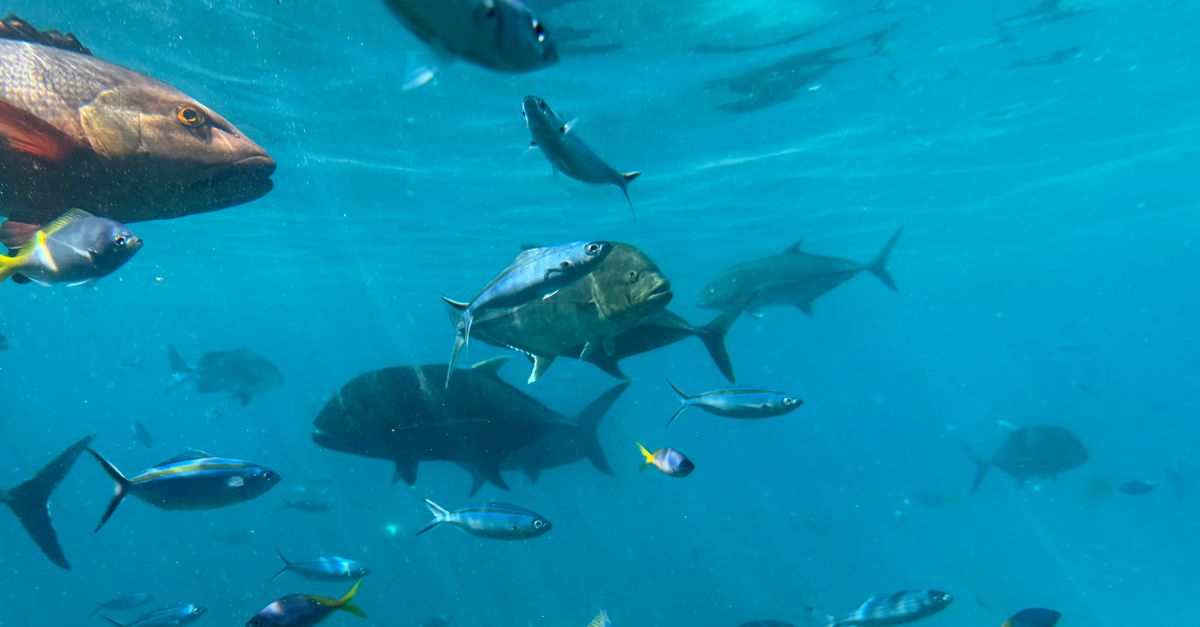
Exuma waters teem with tropical fish species. You will see groupers, snappers, jacks, and parrotfish on every dive. Smaller reef fish like damselfish and wrasses school in tight formations. Spotted eagle rays glide gracefully along the seafloor. Nassau groupers hide in coral crevices. Schoolmaster snappers hover above the reef in massive schools.
Larger fish include permit and tarpon in shallow areas. Barracuda patrol the reef edges looking for prey. Nurse sharks rest on sandy bottoms during the day. Caribbean reef sharks occasionally appear on deeper dives. These sharks fear humans and swim away quickly.
Coral and Plants
Brain coral formations create stunning underwater architecture. Elkhorn and staghorn corals branch upward from the seafloor. Sea fans sway with the current in colorful displays. Seagrass beds provide food and shelter for numerous fish species. Macro photographers find endless subjects in these habitats.
Turtles and Rays
Sea turtles feed on seagrass and coral throughout Exuma waters. You will commonly see green and hawksbill turtles. These ancient creatures move slowly and ignore divers. Stingrays hide in the sand, creating shapes beneath your feet. Spotted eagle rays fly through the water column with tremendous grace.
Unique Encounters
Swimming pigs at Big Major Spot provide unforgettable memories. These domesticated pigs enjoy human interaction and food. Nurse sharks at Compass Cay allow close observation and photography. Thunderball Grotto's cave formations create otherworldly lighting and environments.
Best Time To Dive in Exuma
Peak Season: November through April
The dry season delivers the best diving conditions in Exuma. Water temperatures range from 24 to 26 degrees Celsius. Visibility exceeds 80 feet on most days, often reaching 100 feet or more. Air temperatures hover around 25 to 27 degrees Celsius, making diving comfortable. This period sees the fewest tropical storms and strongest winds.
November through April attracts the most visitors to Exuma. Dive operators run full schedules and multiple daily boat trips. This means more availability but higher prices. Hotels, restaurants, and tour operators operate at full capacity. Book accommodations and dive trips well in advance.
Shoulder Season: May, September, October
These months offer good diving conditions with fewer crowds. Water temperatures warm to 27 to 28 degrees Celsius. Visibility remains good at 60 to 80 feet. Prices drop noticeably compared to peak season. Some operators reduce boat schedules and may close briefly.
Summer Season: June, July, August
Summer brings warmer weather and warmer water. Temperatures reach 28 to 30 degrees Celsius. Visibility can drop to 40 to 60 feet due to plankton blooms. Afternoon thunderstorms occur frequently but pass quickly. Hurricane season peaks in September and October. Most experienced divers avoid summer months.
Practical Diving Considerations
Water temperature demands appropriate wetsuits year-round. Wear a 5mm or 7mm wetsuit even in warmer months. Thermal protection prevents heat loss during longer dives. Bring sun protection including reef-safe sunscreen and rash guards. The tropical sun reflects strongly off the water and causes rapid burning.
Currents vary by season and location. Your dive guide adjusts dive plans based on current conditions. Spring currents around the full moon can be strong. Ask operators about current predictions before booking dives.
PRO TIP: Visit during May or September for the best combination of good weather, calm seas, and lower prices. Avoid July and August when hurricanes and summer storms are most likely.
Frequently Asked Questions

Do I Need Certification To Scuba Dive in Exuma?
Yes, most dive operators require valid PADI or SSI certification cards. However, you can complete a discover scuba course before your trip. These introductory programs take one to three days and require no prior experience. After certification, you can dive independently or with guides. If you lack certification and want to dive, book a discover scuba program with an instructor.
What Is the Best Time of Year To Dive in Exuma?
November through April offers the best diving conditions with calm seas and excellent visibility. Water temperatures reach 24 to 26 degrees Celsius during this peak season. Hurricane season occurs from June through November, making summer months less ideal. December and January are the most popular but also most expensive months. Consider visiting in April or early May for excellent conditions with fewer crowds and lower prices.
How Deep Do Exuma Dive Sites Reach?
Most recreational dive sites reach 40 to 80 feet depth. Beginner sites stay shallower around 30 to 40 feet. Advanced sites like Great Guana Cay Wall descend beyond 130 feet. Wreck dives typically reach 60 to 90 feet depth. Snorkeling requires no depth at all. Your certification level determines your maximum safe depth. Ask operators about depth limitations before booking specific sites.
Can I Rent All My Diving Equipment in Exuma?
Yes, all major dive operators rent complete diving equipment including tanks, regulators, wetsuits, and fins. Rental equipment meets international safety standards. Most operators include basic rental in the dive fee. Additional items like underwater cameras or special wetsuits cost extra. Bring your own gear if you prefer. Confirm equipment compatibility and rental costs before your dive day to avoid surprises.
Are There Any Dangerous Marine Animals in Exuma Waters?
Sharks inhabit Exuma waters but avoid humans and rarely cause problems. Nurse sharks are docile and often encountered. Caribbean reef sharks exist but quickly flee divers. Sea urchins hide in coral crevices and can cause painful puncture wounds if touched. Always wear reef shoes when walking in shallow water. Never touch marine life or handle sea creatures. Following basic safety protocols keeps you safe throughout your Exuma diving adventure.