
Last updated:
Exuma markets offer authentic shopping experiences you won't find in typical tourist stores. The island's local markets showcase fresh produce, handmade crafts, and genuine Bahamian products. You'll discover everything from conch salad to straw goods made by island artisans. Shopping in Exuma markets connects you directly with local vendors and their stories. Whether you seek fresh seafood or unique souvenirs, these markets deliver authentic island culture.
The Exuma markets reflect the island's commitment to local commerce and traditional crafts. Vendors sell items they've made or sourced themselves. You support local families when you shop at these markets. Prices are fair, and quality is consistently high. Most vendors appreciate friendly conversation and bargaining is sometimes acceptable for multiple purchases.
Best Markets in Exuma
The Exuma Markets at the Fish Fry in George Town remain the heart of local shopping. This vibrant hub operates near the downtown waterfront area. Vendors set up stalls selling fresh fish, lobster, and conch. You'll find tropical fruits like mangoes, papayas, and pineapples in season. The atmosphere buzzes with local energy and genuine island character. Mornings are best when selection is freshest and the crowd is manageable.
Stuart's Market serves residents and visitors alike in George Town's central business district. The market stocks local produce, packaged goods, and some prepared foods. You can find everything from cassava bread to local spices here. The shop maintains reasonable prices and stock rotates regularly based on availability. Staff members are helpful and know exactly what items are locally produced versus imported.
The Exuma Straw Market operates near the cruise port area in George Town. Local artisans display handwoven baskets, bags, and decorative items. Straw work represents traditional Bahamian craftsmanship passed down through generations. Each piece is unique and made by hand. Prices reflect the labor involved, but quality justifies the cost. The market operates year-round with extended hours during peak tourist season.
PRO TIP: Visit Exuma markets early in the morning, around 7 or 8 AM. Vendors have just arrived with the freshest catch and produce. Parking is easier, and you avoid afternoon heat. Bring cash in small bills because many vendors don't accept cards.
Local Food Markets in Exuma

The Fish Fry at Arawak Cay area features multiple vendors selling fresh seafood daily. Fishermen bring their morning catch straight to market stalls. You can buy whole fish, fillets, shrimp, and lobster at competitive prices. Conch is available fresh or prepared in salad form. The Fish Fry also includes prepared food vendors cooking meals on-site. You can eat immediately or take food back to your accommodation to prepare yourself.
George Town's open-air market near the government dock operates on specific days each week. Local farmers bring produce from their gardens and small farms. Vegetables like okra, callaloo, plantains, and sweet potatoes appear frequently. Tropical fruits including guava, starfruit, and June plums come into season at different times. Prices are lower than imported goods at supermarkets. Vendors share knowledge about selecting ripe fruit and preparation methods if you ask.
The Rolle Town Straw and Crafts Market combines food vendors with artisan sellers. Fresh coconut, local honey, and homemade jams appear at various stalls. Some vendors prepare and sell cassava bread, a traditional Bahamian staple made from cassava root. Goat meat and chicken from local sources are available seasonally. This market emphasizes community and slow commerce where relationships matter.
For seafood specifically, the dock areas in George Town and Staniel Cay offer fish sales directly from boats. Fishermen often sell to locals and visitors at the same prices. You negotiate directly with the source, ensuring freshness and fair pricing. Early morning visits (before 9 AM) guarantee the best selection and prices. Bring your own cooler if you plan to transport fish back to cook.
PRO TIP: Learn to identify fresh fish by clear eyes, firm flesh, and bright gills. Ask vendors about daily catches and their recommendations. Many locals eat what fishermen caught that same morning, so don't hesitate to ask what's best.
Craft and Souvenir Shopping
Bahamian straw work represents the most authentic craft you'll find in Exuma. Artisans weave dried straw (made from seagrass) into bags, hats, placemats, and decorative items. Each piece takes hours to complete by hand. The work is durable, beautiful, and truly one-of-a-kind. Different weavers develop their own patterns and styles. Straw work makes excellent gifts because it's practical and distinctly Bahamian.
Wood carving is another traditional craft with deep roots in Exuma. Local artists carve wooden items including bowls, utensils, and decorative pieces. Some carvers specialize in fish and marine life representations. The wood comes from locally harvested trees whenever possible. Finishes vary from natural wood to painted designs. Prices reflect the artisan's skill and the wood quality used.
Jewelry makers throughout Exuma craft pieces using local shells, coral, and semi-precious stones. Conch shell jewelry is particularly popular and represents island culture. Some pieces feature intricate shell inlay work on wooden bases. Sea glass and sea urchin spine jewelry also appear in market stalls. These items make meaningful souvenirs because they're sourced locally and made by island hands.
Painted goods and artwork by local artists tell Exuma's stories through visual imagery. You'll find paintings of fishing boats, island scenes, and marine life. Some artists work on canvas while others paint on wooden boards. The quality ranges from amateur to professional work. Supporting these artists directly when you buy from them encourages continued creativity in the community.
Spice blends and seasonings make practical souvenirs for cooking enthusiasts back home. Local vendors combine traditional spices used in Bahamian cooking. Packages of conch seasoning, jerk spice blends, and custom mixes are available. These items are affordable, lightweight, and useful. They remind you of island flavors long after you return home.
Where To Buy Local Products

George Town's downtown area concentrates most of Exuma's local shopping options. The Fish Fry operates near the waterfront between the government dock and cruise port area. Walking distance from downtown hotels puts these markets within easy reach. Street signs direct you toward market areas, though asking locals works best for specific vendor locations. Parking is available near the Fish Fry, though spaces fill quickly during peak hours.
Rolle Town on the southern end of Exuma offers a quieter market experience. The straw and crafts market there serves both locals and visitors. Rolle Town is about 30 kilometers south of George Town, requiring a car rental or taxi. The drive takes approximately 45 minutes. This location rewards visitors seeking fewer crowds and more intimate vendor interactions. Sunday mornings draw the most activity at Rolle Town markets.
Staniel Cay's small market operates near the dock area on the northern island. This location is best accessed by boat or seaplane from George Town. The market is smaller but carries fresh seafood and some local crafts. Visiting Staniel Cay combines shopping with exploration of a quieter island community. A day trip here includes dock time and market browsing without needing overnight accommodation.
The Great Exuma Resort and Spa area in downtown George Town houses some local vendor stalls. These vendor spaces offer convenient shopping while staying nearby. Quality and authenticity match what you find at the Fish Fry and open-air markets. Prices may be slightly higher due to prime location costs. This option works best for travelers with limited time to explore multiple market locations.
Beach vendors and roadside stands scattered throughout Exuma offer supplementary shopping opportunities. You'll encounter straw goods vendors near popular beaches like Thunderball Grotto and Pig Beach. These vendors are locals capitalizing on tourist foot traffic. Prices are fair, though you save money buying at central markets instead. Roadside stands between George Town and southern communities sell fresh produce from passing farms.
Shopping Hours and Tips
Most Exuma markets operate on flexible schedules rather than fixed hours. The Fish Fry typically opens between 7 and 9 AM and closes between 4 and 6 PM. Hours vary based on fish availability and vendor preference. Weekdays see less activity than weekends. Sundays bring more vendors and busier shopping atmospheres. Always confirm hours by asking hotel staff or locals upon arrival since schedules change seasonally.
George Town markets serve locals primarily, so they follow island rhythms rather than tourist schedules. Plan shopping around island meal times rather than typical tourist hours. Early morning (7 to 10 AM) guarantees the best fresh produce and seafood selection. Midday (11 AM to 2 PM) sees slower activity as people take lunch breaks. Late afternoon (3 to 5 PM) brings some activity from people shopping after work.
Monday through Friday serves as regular shopping days for locals buying groceries and supplies. Weekends (Saturday and Sunday) draw more social shopping activity with families and friends gathering together. Plan visits accordingly based on your preference for crowd levels. Rainy days sometimes reduce market activity, though covered stall areas stay open. Wind and rough sea conditions affect fish availability at docks and markets.
Cash is essential when shopping at Exuma markets. The vast majority of vendors operate cash-only businesses. Bring Bahamian dollars (BSD) or US dollars, which locals readily accept. Small bills work best since vendors often lack change for large denominations. ATMs exist in George Town but operate with variable reliability. Withdraw cash early in your stay to ensure adequate funds for market shopping.
Bring reusable bags or small coolers when shopping for perishables. Most vendors don't provide bags, so bringing your own ensures you can transport purchases safely. Coolers are particularly important for fish and seafood purchases if you're staying away from immediate cooking facilities. Wear comfortable walking shoes since markets involve standing and browsing multiple stalls.
PRO TIP: Shop at markets during off-peak tourist season (May through October) for better prices and more personal vendor interaction. Fewer tourists mean locals prioritize your experience. Hurricane season risk is lower in May and June than late summer, making these good shopping months.
What To Buy in Exuma
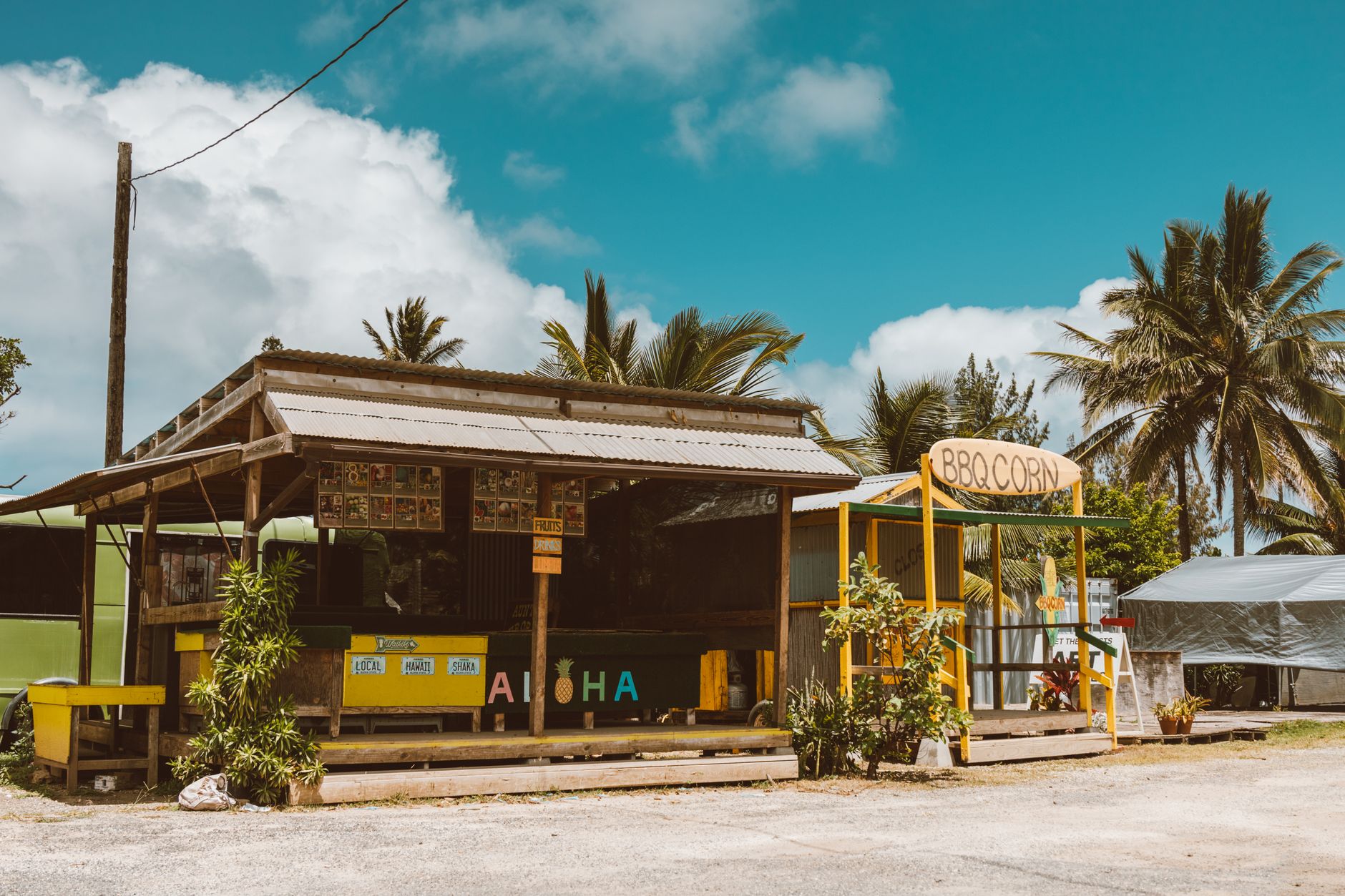
Fresh conch represents Exuma's most iconic seafood purchase. The island's waters produce high-quality conch meat. Buy whole conch at the Fish Fry and have vendors clean it. Pre-cleaned conch meat saves time if you're cooking immediately. Conch salad, prepared fresh by vendors, makes an excellent meal or appetizer. Frozen conch is available if you want to transport it home or prepare it later.
Handwoven straw bags make practical and beautiful souvenirs. These bags are used throughout the The Bahamas for shopping, beach carrying, and everyday use. Sizes range from small clutches to large beach totes. Colors vary based on how artisans dye the seagrass. A quality straw bag lasts for years and improves with age. Prices range from affordable for small items to moderate for large bags requiring weeks of labor.
Local honey and preserves offer sweet edible souvenirs. Bahamian honey has distinctive flavor influenced by local flowers and plants. Jams made from guava, mango, and other tropical fruits appear at markets. These products are shelf-stable, making them easy to transport home. Buy from vendors who produce them locally rather than imported alternatives.
Cassava bread, a traditional Bahamian staple, is worth purchasing to try or gift. Made from cassava root processed into flat bread, it stores well and lasts months. Some families wrap it to last even longer. It's eaten plain or used in recipes. Vendors at Rolle Town market produce cassava bread in-house, so you know it's authentic.
Sea salt harvested locally appears at some market stalls. Bahamian sea salt has minerals from island waters. It's used in cooking and makes an excellent cooking gift. Small containers are easy to pack in luggage. Artisanal sea salt costs more than supermarket options but offers superior quality and local sourcing.
Shell jewelry, particularly conch shell pieces, represents authentic Bahamian craftsmanship. These items range from simple shell necklaces to intricate inlaid work. Supporting local jewelry makers keeps traditional techniques alive. Prices vary widely based on craftsmanship and materials used. Each piece tells a story about island artistry and natural resources.
Painted artwork by local artists captures Exuma's landscapes and culture. Paintings range from small framed pieces to large canvas works. Scenes of fishing boats, tropical sunsets, and marine life are common subjects. Original art provides meaningful souvenirs and supports local creative communities. Ask artists about their work and inspiration when purchasing directly from them.
Frequently Asked Questions
What currency do I need for Exuma markets?
Exuma uses the Bahamian dollar (BSD), but US dollars are widely accepted and useful for travelers. Markets operate primarily on cash transactions. ATMs exist in George Town but can be unreliable, so withdraw sufficient cash early in your stay. Bring small bills because vendors often lack change for large denominations. Credit cards rarely work at market stalls, so plan accordingly when shopping. Most locals accept US dollars at equal value to BSD, making it convenient for visitors.
Are there supermarkets in addition to traditional markets?
Yes, George Town has supermarkets like Exuma Market and Food Fair that stock imported and local goods. These supermarkets offer consistency and modern amenities compared to traditional markets. However, they lack the authentic local character and lower prices found at Fish Fry and open-air markets. Supermarkets work well for specific items, while markets offer better prices on fresh produce and seafood. Many travelers visit both to compare prices and selection.
Can I negotiate prices at Exuma markets?
Light negotiation is acceptable at Exuma markets, particularly when buying multiple items or larger quantities. Vendors expect friendly haggling, especially for bulk purchases. However, prices on fresh fish and produce are often already fair market rates. Craft items offer more negotiation potential than perishables. Build rapport with vendors through conversation before discussing prices. Respectful negotiation shows appreciation for their work while honoring local customs.
What is the best time to visit Exuma markets?
Early mornings (7 to 10 AM) offer the freshest produce and seafood selections. Weekdays attract fewer tourists and more local shoppers, offering authentic experiences. Sundays bring vibrant weekend market energy with extended vendor hours. Avoid midday hours (11 AM to 2 PM) due to heat and reduced activity. Hurricane season (June through October) brings fewer tourists but variable market activity due to weather. November through April offers peak season shopping with full vendor participation and optimal weather.
How do I get to Exuma markets from the airport?
Exuma International Airport (GGT) is about 35 kilometers north of George Town. Taxi service from the airport to downtown George Town costs approximately 45 to 60 minutes of driving. Car rentals are available at the airport and provide flexibility for visiting multiple markets. Hotels and resorts arrange transportation from the airport. Once in George Town, markets are within walking distance or a short taxi ride. Ask hotel staff for current taxi rates and directions to specific market locations.